

Accessible Free Museums: A Complete Guide to Cultural Exploration
Free museums are one of travel’s great democratic equalizers. They remove the primary financial barrier to art, history, and science, opening worlds of knowledge and inspiration to everyone. For travelers, students, and families, they represent not just a budget-friendly activity, but a profound opportunity to engage deeply with a destination’s culture and stories. This guide moves beyond a simple list of “free days” to provide a strategic framework for discovering, planning, and enjoying these invaluable public resources anywhere you go.
Build the Cluster
The first step in unlocking a city’s free museum landscape is to shift from thinking about single venues to identifying city museum clusters. Rarely is a major free museum an isolated destination; they are often nodes within a larger cultural network. A successful strategy involves mapping these clusters to minimize transit time and maximize cultural immersion.
Start with the anchor institutions. In many cities, national museums—dedicated to art, natural history, or the national narrative—are often free by mandate or tradition. Pin these on your map. Next, research public university museums and galleries. These are frequently free, academically rigorous, and feature fascinating, niche collections. Don’t overlook civic museums run by the city itself, which might focus on local history, design, or industry.
The cluster becomes powerful when you see the connections. You might find a free museum itinerary that links a national art gallery, a city history museum, and a university science collection all within a walkable downtown district. Alternatively, a cluster could form around a cultural quarter or a large public park. The goal is to visualize a group of two to four venues you can reasonably visit in a day, creating a rich, multi-disciplinary experience without the cost or fatigue of constant cross-town travel.
Sequence for Demand
Once you’ve identified a cluster, intelligent sequencing is crucial. “Demand” here refers to both crowd levels and your own cognitive energy. Not all museums are created equal in popularity. A blockbuster national museum will see its peak foot traffic mid-morning to mid-afternoon. A smaller, niche gallery might remain quiet all day.
The golden rule: Visit the most popular venue first, right at opening time. This is when lines are shortest, galleries are least crowded, and you can see iconic pieces without jostling. If a museum has timed-entry tickets (even free ones), secure these online as early as possible.
For your personal energy, consider the subject matter. Start with the collection that requires the most focus—perhaps a dense historical timeline or complex contemporary art. Follow it with something more sensory or relaxing, like a sculpture garden or a natural history hall. End with the most atmospheric venue, perhaps a historic house museum at dusk. This thoughtful museum route planning respects your attention span and turns a day of viewing into a curated narrative with a satisfying rhythm.
Tools
Effective planning relies on a few key, reliable tools. These help you move from idea to execution seamlessly.
- Official Tourism & Cultural Websites: A city’s official tourism site will have a “Free Attractions” or “Museums” section. More importantly, the website for the city’s department of culture or parks will list municipally-run institutions, which are often free and less tourist-heavy.
- University “Museum & Galleries” Pages: Don’t just search for “museums in [City].” Specifically search for “[City University] museums and galleries.” These pages list public-facing collections that are academic treasures.
- Map Applications with Custom Lists: Use Google Maps, Apple Maps, or a dedicated travel app to create a custom map for your trip. Drop pins for every free museum you find. This visual aid is indispensable for seeing clusters and planning walking routes.
- Local Transit Apps: Knowing how to efficiently move between clusters is key. Download the local transit authority’s official app for real-time schedules and route planning to connect your free cultural attractions.
Why This Matters
Beyond budget savings, prioritizing free museums has deeper significance. They are a statement of public good, asserting that culture, education, and inspiration are rights, not commodities. For travelers, they offer an unfiltered view into what a society values enough to preserve and share collectively. You see what a nation is proud of, what it grapples with, and what stories it tells itself.
For students, they are extensions of the classroom—vital resources for research and inspiration without the barrier of an admission fee. For families, they lower the risk of experimentation. If a child isn’t engaged by a particular exhibit, there’s no financial guilt in moving on or leaving early; you can return another time. This freedom fosters a more relaxed, curiosity-driven form of exploration. Ultimately, seeking out free museums is a practice in mindful, accessible travel that enriches both the visitor and upholds the institution’s public mission.
Playbook
Here is a step-by-step playbook to plan a museum day around free institutions.
- Research & Cluster (Weeks/Days Before): Using the Tools above, identify all potential free museums. Map them to find 2-3 logical clusters.
- Prioritize & Sequence: Within your chosen cluster for the day, identify the “anchor” museum (largest, most popular). Schedule it for opening time. Arrange the others in an order that creates a thematic or experiential flow.
- Check Practicalities: Verify opening hours (note any late closures). Check if free timed-entry tickets are required and book them. Look for special free hours at museums that are otherwise paid.
- Logistics: Plan your route. Is it a walking museum route, or will you need transit between venues? Identify nearby parks, cafes, or picnic spots for breaks.
- Execute & Be Flexible: Arrive early for your first venue. Stay hydrated and take breaks. If a museum is overwhelming or underwhelming, give yourself permission to adjust the plan. The day is about discovery, not checklist completion.
User Scenarios
- The Solo Traveler on a Budget: You can design a deep-dive day. Start at the national history museum at opening, spend hours reading every placard, then unwind in a free university art gallery in the afternoon. The flexibility is yours.
- The Student Group: Divide and conquer. Have smaller groups research different museums in a cluster, then meet to share what each learned. Use galleries as spaces for discussion and sketching.
- The Family with Young Children: Focus on one, maybe two venues max. Target museums with hands-on children’s galleries or large, open spaces like natural history halls. Use the “free” aspect to your advantage—a 90-minute, low-pressure visit is a success. Follow it with playtime in a nearby public park.
Common Mistakes
- Overloading the Day: Attempting to visit more than three substantial museums in a day leads to “museum fatigue,” where nothing is absorbed. Quality over quantity.
- Ignoring Advance Registration: Assuming “free” means “just walk in.” Many major free museums now require reserved tickets to manage crowds. Failing to book can mean missing out.
- Neglecting the Niche: Only visiting the biggest, most famous names. Some of the most memorable discoveries are in small, specialized collections.
- Forgetting Operational Costs: While admission is free, these institutions often rely on donations. Consider a small donation if you can, or support them by buying a postcard or book from the gift shop.
Accessibility & Comfort
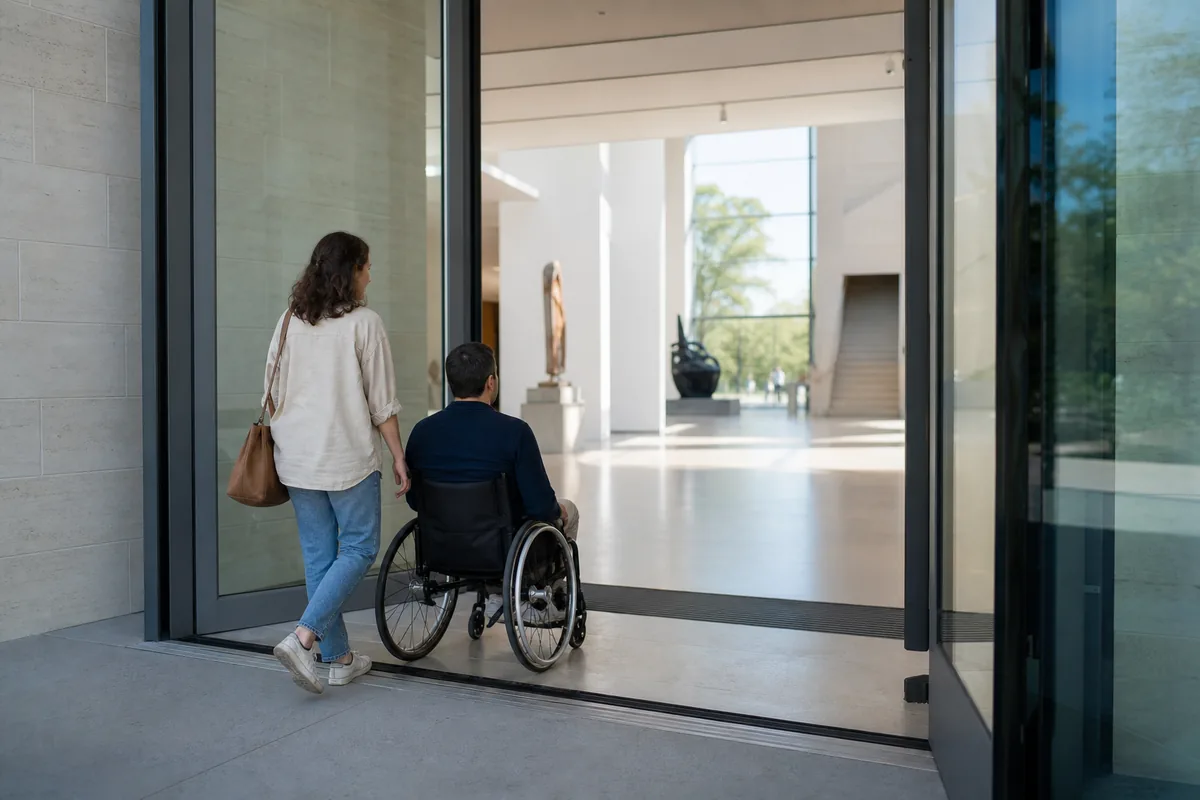
A truly accessible museum experience encompasses both physical and practical comfort.
- Physical Accessibility: Before visiting, check the museum’s website for accessibility information: wheelchair access, elevator locations, availability of wheelchairs or stools, accessible restrooms, and sensory-friendly resources.
- Sensory Considerations: Large museums can be overstimulating. Identify quiet rooms or periods. Some museums offer “social narratives” or sensory maps to help visitors prepare.
- Comfort Essentials: Wear supportive shoes. Carry a refillable water bottle and snacks for breaks between venues. A lightweight foldable stool can be a game-changer in large galleries. Pace yourself—it’s not a marathon.
Example Day: A City Center Cultural Immersion
- 9:30 AM: Arrive at the National Gallery (free, timed ticket secured). Spend two focused hours in the core collection, avoiding the crowded special exhibition.
- 12:00 PM: Walk 15 minutes to a nearby public square. Enjoy a picnic lunch from a local market.
- 1:00 PM: Stroll to the City History Museum (free, municipal). Explore the exhibits on local industry and social history for 60-90 minutes.
- 2:45 PM: Short walk to the University Archaeological Museum (free, campus gallery). Spend a relaxed hour with the ancient artifacts in a quieter setting.
- 4:00 PM: Debrief over coffee at a nearby cafe. This day of museum hopping covered art, local narrative, and ancient history, all on foot and without an admission fee.
Advanced Tips
- Leverage Free Hours: Many paid museums have weekly or monthly free admission hours (often evenings). These can be integrated into your plan a museum day strategy, allowing you to visit a famous paid institution for free, albeit potentially with crowds.
- Go Beyond the “Museum”: Include public libraries with historic reading rooms, monumental government buildings with public tours, botanical gardens, and historic cemeteries. These are often free and deeply cultural.
- Document for Depth: Use your phone’s notes app or a journal. Sketch a favorite artifact, write down a compelling quote from a placard, or note a question to research later. This active engagement cements the experience.
- Engage with Guards and Docents: Staff in free museums are often passionate experts. A polite question like, “What’s your favorite piece in this room?” can lead to incredible insights.
FAQ
Are free museums as good as paid ones? Quality is not dictated by price. Free museums often house national treasures and world-class research. They may have smaller budgets for flashy special exhibitions, but their permanent collections are frequently exceptional.
Is it rude not to donate? No. The institution has chosen a free-admission model. However, if you enjoyed your visit and are able, a small donation in the donation box or a purchase from the shop directly supports their work.
How do I find free museums in a city I’m not familiar with? Start with the official city tourism website. Then, search “[City name] free museums” and look for articles from local newspapers or blogs, not just generic travel listicles. The local sources are more accurate.
Can I really make a whole trip around free museums? Absolutely. In many world capitals, you could fill multiple days with high-quality free museums alone. It requires more research, but it creates a uniquely accessible and culturally rich travel experience.
Further Reading
- “The Participatory Museum” by Nina Simon: A foundational text on how museums engage communities, providing context for the public mission of many free institutions.
- American Alliance of Museums’ Accessibility Resources: Offers guidelines and case studies on making museums accessible to all visitors.
- Local Journalism on Cultural Funding: Searching for articles from your destination’s newspapers about “museum funding” or “public culture” provides invaluable local context.
- Google Arts & Culture Platform: While not a replacement for in-person visits, this tool allows you to virtually explore collections from thousands of museums worldwide, helping you research and prioritize before your trip.