

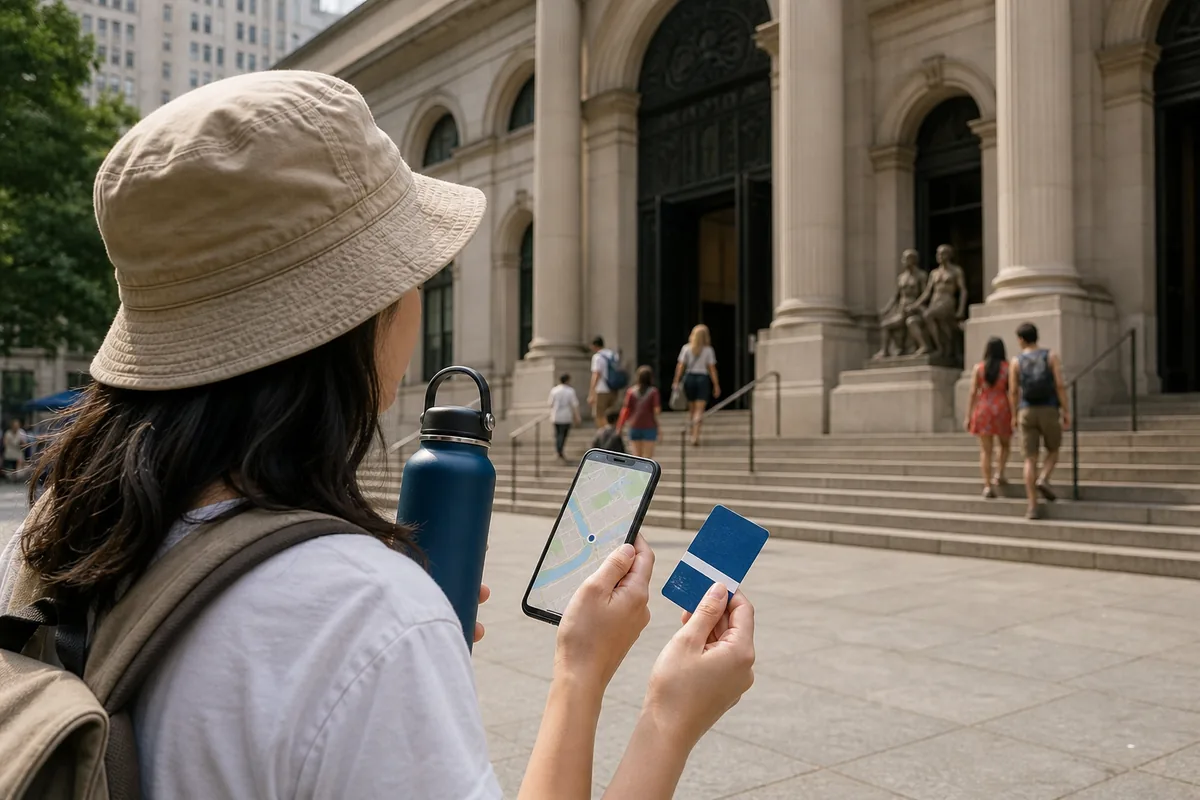
The Art of the Affordable Art Day: A Guide to Budget Museum Itineraries
Visiting museums can feel like a luxury, often associated with high admission fees and the pressure to “get your money’s worth.” Yet, the world’s cultural treasures are more accessible than ever. With thoughtful planning, you can design rich, fulfilling museum journeys that respect your budget and energy. This guide moves beyond simple cost-saving to teach you how to strategically structure a day or week of museum visits, transforming a potential financial strain into a sustainable, rewarding travel habit.
Build the Cluster
The first step in effective museum route planning is research. Your goal is to identify a “cluster”—a group of two to four museums or cultural sites within walking distance or a short, cheap transit ride of each other. Clustering is the core strategy that saves money, time, and energy.
Start by looking beyond the flagship institutions. For every famous, ticketed museum, there are often smaller galleries, house museums, university collections, or public sculpture gardens nearby. A successful city museum cluster might include:
- A major art museum (often with suggested admission or free hours).
- A niche historical society or specialty museum.
- A contemporary art gallery or non-profit art space.
- An architecturally significant public building or house of worship.
The power of the cluster lies in proximity. It allows for efficient museum hopping, reducing transport costs and the decision fatigue of navigating across a city multiple times. When researching, use a map view. Physically plotting pins will reveal natural geographic groupings you can tackle in a single, coherent outing.
Sequence for Demand
Once you have your cluster, sequence your visits intelligently. Not all museums are created equal in terms of crowds and energy required.
Prioritize by Popularity & Energy: Visit the most popular, mentally demanding museum first thing in the morning when you are freshest and crowds are lightest. Save smaller, more contemplative, or outdoor spaces for the afternoon when your focus may wane and larger institutions become crowded. If a museum has timed-entry tickets that are cheaper for off-peak hours, book that slot.
Balance the Content: Avoid “museum fatigue” by mixing genres. Don’t schedule three intense history museums back-to-back. Intersperse an art gallery with a science museum, or a period house with a modern sculpture park. This variation in content keeps the mind engaged and prevents sensory overload on a single topic.
Align with Free Hours: Many museums offer “pay-what-you-wish” evenings, free admission days, or discounted hours for locals. Structure your free museum itinerary around these windows for the priciest venue in your cluster, then pay standard admission for the less expensive ones at other times.
Tools
You don’t need expensive apps. A few key, free tools will empower your planning.
- Google Maps (Saved Lists & Layers): Create a dedicated map list for your trip. Drop pins for all potential free cultural attractions and museums. Use different colors to denote “must-see,” “free admission,” or “open late.” The map layer will visually reveal your clusters.
- Museum Websites (Policies & Calendars): Always go to the source. The “Visit” section of an official website holds the golden details: actual admission costs, free-day schedules, timed-ticket requirements, bag policies, and whether lockers are available.
- Local Tourism & Culture Blogs: Search for phrases like “[City Name] hidden gem museums” or “[City] museum passes.” These often have curated lists that highlight smaller, affordable venues missed by mainstream guides.
- Public Transit Apps: Download the local transit authority’s app before you go. Understanding day-pass options and real-time schedules is crucial for efficient, cheap movement between clusters.
Why This Matters
This approach is more than saving money; it’s about sustainable cultural engagement. A rigid, expensive marathon at a single museum can lead to exhaustion, making you less likely to visit another. A budget-conscious, clustered itinerary lowers the barrier to entry. It makes museum-going a regular, enjoyable practice rather than a rare splurge.
For families, it allows for shorter, age-appropriate visits without guilt over an unused full-day ticket. For students and travelers, it stretches the budget to experience more of a city’s character. Ultimately, it democratizes access to culture, encouraging deeper exploration of a destination beyond its most commercialized sites.
Playbook
Here is your actionable, step-by-step method for building any itinerary.
- Define Your Core: Choose one or two “anchor” museums you most want to see.
- Cluster Research: Using your tools, find 2-3 other cultural sites within a 15-20 minute walk of each anchor. Note their admission details and hours.
- Sequence Logically: Plot the order. Busiest/headliner first. Balance heavy content with lighter fare.
- Logistics Check: Confirm opening days (many close on Mondays). Note any required pre-booked tickets. Identify lunch options (nearby parks for picnics, affordable cafes).
- Build in Buffer: Schedule a 60-90 minute “buffer zone” in the middle of the day. This is for a leisurely lunch, unexpected exploration, or simply resting. It is not filler; it is essential for stamina.
- The Exit Strategy: Know the closing times. Plan a final, relaxed venue (like a public garden or vibrant neighborhood square) to decompress and reflect after your last museum.
User Scenarios
- The Family (with young children): Cluster focuses on one major museum with good interactive exhibits, paired with a nearby science center children’s zone or a large park with public art. The itinerary is short (3-4 hours total), prioritizes hands-on learning, and always includes the picnic buffer.
- The Student Traveler: Maximizes free admission days and student discounts. Clusters might revolve around university art galleries and national museums with free entry. The sequence is packed but uses the buffer for cheap eats. The goal is broad exposure on a tight budget.
- The Returning Visitor: Skips the iconic main museums they’ve seen before. Builds clusters in specific neighborhoods, exploring hyper-local history museums, artist-run galleries, and architectural walks. Depth and specificity are the goals.
Common Mistakes
- Over-Clustering: Trying to visit more than four venues in a day. This becomes a box-ticking exercise, not an experience.
- Ignoring Pre-booking: Showing up to a major museum only to find the day’s timed-entry slots are sold out.
- Underestimating Transit: Not checking if two museums are “walkable” on a map (is it up a giant hill? across a highway?).
- Skipping the Buffer: Powering through leads to burnout, making the last visit worthless.
- Assuming All “Free” is Equal: Some free municipal museums are excellent; others are poorly maintained. Read recent visitor reviews for context.
Accessibility & Comfort
A good itinerary is a comfortable one. Your budget includes your physical well-being.
- Footwear is Non-Negotiable: You will walk miles on hard floors. Wear your most comfortable shoes.
- Pack Light, Pack Smart: A heavy bag becomes an anchor. Bring only essentials: water, snacks, phone, wallet, portable charger. Use museum lockers if available.
- Hydrate and Refuel: Museums are dehydrating. Carry a water bottle and refill it. Use your buffer time for a proper snack or meal—don’t wait until you’re “hangry.”
- Listen to Your Body: It’s not a failure to leave a gallery after 30 minutes or to sit in an atrium for 20. Quality of attention trumps quantity of objects seen.
Example Day: A Practical Walking Museum Route
- 9:30 AM: Arrive at City Art Museum (pre-booked, off-peak ticket). Focus on one wing or special exhibition.
- 11:45 AM: Short walk to Contemporary Photography Center (small gallery, low admission fee).
- 12:45 PM - 2:00 PM: BUFFER. Picnic in the adjacent historic square. People-watch, hydrate, review photos/notes.
- 2:15 PM: Walk to City History Society Museum (free admission, niche focus). Spend a relaxed hour.
- 3:30 PM: Conclude at the public Central Library (free). Admire the historic reading room architecture and browse the travel section to plan a museum day for your next destination.
Advanced Tips
- Lunch as Culture: Skip the museum cafe. Your lunch spot can be part of the itinerary—a historic market hall, a beloved local bakery, or a park with a view.
- Thematic Threads: Create a personal theme for your cluster (e.g., “Women Artists,” “Industrial History,” “20th Century Design”). It adds a layer of intellectual cohesion.
- Post-Visit Ritual: End your day at a specific type of place—a quiet tea shop, a bookstore, a scenic ferry ride. This creates a mental full stop, helping you process and remember the day.
- Off-Season/Off-Day: If possible, visit on a weekday in the shoulder season. You’ll have more space and a calmer experience for the same price.
FAQ
Q: Are city tourist passes worth it for museums? A: Only if the math works. Add up the standard admission for every venue you’d realistically visit in the pass’s timeframe. If it’s 15-20% more than the pass cost, and you’re committed to a packed schedule, it can be. Often, they lock you into an overly ambitious itinerary.
Q: How do I find the truly free museums, not just “suggested donation” ones? A: Municipal, university, and national government-run museums (e.g., national galleries, state history museums) are most likely to be completely free. Always check the official website.
Q: What if I get “museumed out” halfway through my plan? A: This is why the buffer exists! Use that time to honestly reassess. It’s perfectly fine to drop one planned venue. The goal is enjoyment, not completionism.
Q: Is it rude to only visit the free hours at a museum? A: Not at all. Museums set these policies to encourage access. If you can afford to pay the suggested donation, it’s a great way to support them. If you can’t, you are the exact audience the free hour is for.
Further Reading
- “The Art of Slow Travel” by National Geographic: Essays on deeper, more mindful engagement with destinations.
- Atlas Obscura Online: An endless source for unique and offbeat cultural sites worldwide.
- Local Subreddits (e.g., r/AskLondon, r/ParisTravelGuide): Search for “museums” or “free” for recent, crowdsourced advice from residents.
- The Smithsonian Magazine Travel Section: Features well-researched articles on cultural travel and historical contexts.