

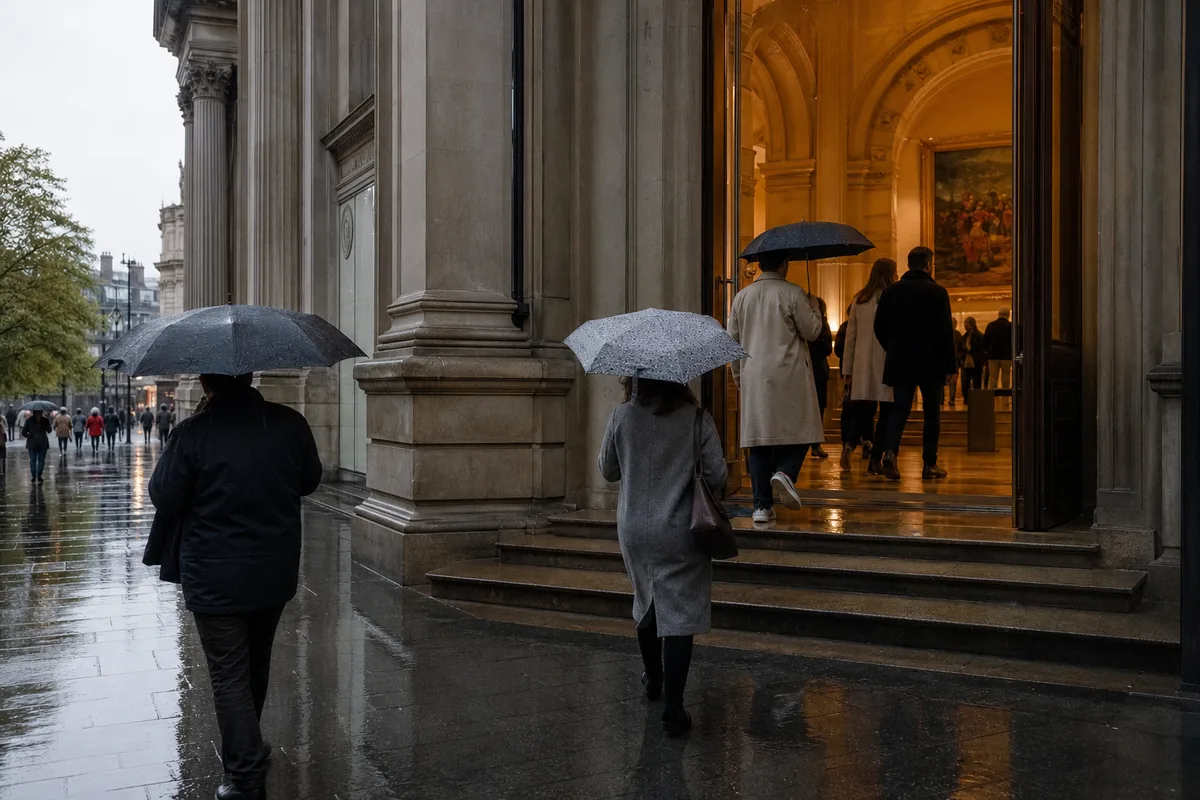
Rainy‑Day Museum Itineraries: A Strategic Guide for Travelers, Students, and Families
A sudden downpour doesn’t have to dampen your travel plans. It can be the perfect catalyst to discover the rich, curated world indoors. This guide moves beyond a simple list of museums to provide a strategic framework for designing fulfilling, efficient, and enjoyable rainy-day museum itineraries. Whether you’re a solo traveler seeking depth, a student on a budget, or a family with diverse interests, mastering this skill turns a weather contingency into a highlight of your trip.
Build the Cluster
The foundation of a successful museum day is not a single destination, but a city museum cluster. This is a group of two to four cultural institutions located within comfortable walking distance or a short, reliable transit ride of each other. Clustering is your primary defense against wasted time and weather exposure.
Start by researching your destination’s cultural geography. Most cities have a natural walking museum route in their historic center, civic square, or dedicated cultural district. Look for natural pairings: an art museum next to a natural history museum, or a science center adjacent to a design museum. The goal is to identify a zone where you can move between venues without lengthy, soggy commutes.
When building the cluster, consider thematic flow. A cluster focused on “human creativity” might link a fine arts museum, a contemporary photography center, and a craft & design museum. A “history of the city” cluster could combine a history museum, an archaeology museum, and a historic house tour. This thematic through-line adds intellectual coherence to your museum hopping, making the day feel like a curated journey rather than a scattered series of stops.
Sequence for Demand
Not all museum visits are created equal. Strategic sequencing is critical to avoid peak crowds and fatigue. Apply a simple rule: place the highest-demand, most mentally intensive venue first.
For most clusters, this means visiting the largest, most famous museum at opening time. Crowds are lightest, energy is highest, and you’ll experience major works without the press of people. Follow this with a lower-intensity venue—perhaps a smaller gallery or a more niche collection. Post-lunch, when energy dips, schedule a hands-on or immersive experience, like a science center with interactive exhibits or a museum with a relaxing sculpture garden (if the rain has eased).
This approach to museum route planning respects natural energy curves. It ensures you engage with the most important art or artifacts when your attention is sharpest, and saves more passive or playful experiences for when you need a cognitive break. Always check for special exhibitions, which often draw larger crowds; factor these into your demand assessment.
Tools
The right digital and analog tools transform planning from a chore into a streamlined process. Rely on these to build and execute your itinerary:
- Map Applications: Use layers or saved pins to visually map your city museum clusters. Measure walking times between venues and locate nearby cafes or transit hubs.
- Institutional Websites & Apps: Always verify hours, ticket prices, timed-entry requirements, and temporary closures. Many museums offer free digital collection guides or audio tours you can download pre-visit.
- A Physical Notebook or Notes App: Jot down key must-see items for each museum (e.g., “Gallery 12, Van Gogh Sunflowers”). This prevents aimless wandering and ensures you capture your priorities.
- Public Transit Passes: Having a day pass loaded and ready eliminates fumbling for change in the rain and makes moving between clusters seamless.
Why This Matters
A well-planned museum day is more than just shelter from the rain. It’s an exercise in intentional travel. It combats the paradox of choice—the overwhelm of having too many options in a new city—by providing a clear, satisfying framework for your day. For families, it prevents the “what now?” chorus. For students and budget travelers, it maximizes the value of a city pass or a tight schedule.
Furthermore, this skill fosters cultural fluency. By learning to plan a museum day effectively, you train yourself to engage with art, history, and science on your own terms. You move from passive consumption to active exploration, which leads to more memorable and personal connections with what you see.
Playbook
Follow these steps to construct your itinerary from scratch:
- Define Your Core Interest: What is your group’s primary appetite? Art, history, science, or a mix?
- Research & Cluster: Identify 2-4 museums that satisfy that interest and are geographically proximate. Confirm they are open on your target day.
- Prioritize & Sequence: Determine the highest-demand museum in your cluster. Schedule it for first thing in the morning. Arrange the others in descending order of intensity.
- Logistics Check: Book any necessary timed-entry tickets online. Note locker availability for wet coats and bags. Identify a lunch spot near your mid-day transition.
- Create a Loose Schedule: Block out time for travel between venues, lunch, and rest breaks. A sample framework: 10:00-12:30 Museum A, 12:30-1:30 Lunch, 2:00-3:30 Museum B, 4:00-5:00 Museum C.
- Set an Exit Strategy: Decide on a closing time. It’s better to end feeling satisfied than exhausted. Know which cafe, bookstore, or indoor market you’ll retreat to afterwards.
User Scenarios
- The Solo Traveler: Focus on depth. Choose a tight cluster of two museums with a strong thematic link. Use the strategic sequence to enjoy quiet morning contemplation, then spend the afternoon in a museum cafe journaling or sketching.
- The Student Group: Prioritize budget and engagement. Seek out free cultural attractions or days with student discounts. A cluster with a mix of free public galleries and one major paid museum is ideal. Thematic clusters help contextualize learning.
- The Family with Children: Balance education and energy. Cluster a major museum with a dedicated children’s museum or a science center. Schedule the hands-on venue for the post-lunch slump. Use the “seek-and-find” approach in art museums to keep kids engaged. Always locate bathrooms and cafes first.
Common Mistakes
- Overcrowding the Day: Attempting more than three substantial museums leads to “museum fatigue,” where nothing is retained. Quality over quantity.
- Ignoring Geography: Choosing museums far apart wastes precious time and energy on transit, exposing you repeatedly to the elements.
- Winging It: Arriving without checking hours or ticket requirements often results in disappointment, especially for blockbuster exhibitions.
- Skipping Sustenance: Not planning for meals leads to hasty, expensive, or unhealthy choices. Pack snacks and know your lunch options.
- Misjudging Group Interest: Dragging a science-focused child through a morning of Renaissance portraiture is a recipe for frustration. Build consensus on the cluster theme.
Accessibility & Comfort
A rainy day itinerary must be comfortable to be successful. Practical comfort directly impacts enjoyment.
- Footwear: Wear supportive, waterproof shoes. You will be standing and walking for hours.
- Layers: Museum temperatures vary. Wear layers you can easily add or remove.
- Bag Strategy: A damp, heavy backpack is a burden. Use a cross-body bag or, ideally, check your coat and bag at museum lockers (often low-cost or free).
- Accessibility Needs: Proactively check museum websites for accessibility information: wheelchair access, quiet hours, sensory maps, large-print guides, or sign-language tour availability. Plan a museum day that is inclusive for all in your group.
Example Day
Theme: Art & Applied Design (for a couple)
- 10:00 AM: Arrive at opening at the City Art Museum (the demand leader). Head straight to the permanent collection highlights for an hour of quiet viewing.
- 11:15 AM: Explore the museum’s special exhibition on contemporary sculpture.
- 12:30 PM: Lunch at the museum’s well-reviewed cafe.
- 1:45 PM: Short walk to the neighboring Museum of Decorative Arts. Focus on a single era, like Art Nouveau.
- 3:15 PM: Coffee break at an independent coffee shop noted during the morning’s walk.
- 4:00 PM: Final stop at a small, niche gallery specializing in modern ceramics (lower intensity, open later).
- 5:30 PM: End the day at a cozy bookstore-wine bar near the cluster.
Advanced Tips
- The Reverse Commute: If your cluster is near a business district, visit during lunch hour when workers flood local cafes, but museums remain relatively quiet.
- Off‑Day Advantage: Many major museums are closed on Monday or Tuesday, driving crowds to those that are open. Target the open major museum on a common closure day; it will be quieter than on weekends.
- Focus on a Single Collection: Instead of trying to see everything in a vast museum, choose one wing, one period, or even a “treasure hunt” for works from a single country. Depth creates memory.
- Post‑Visit Anchor: End your cluster route at a venue that isn’t a museum—a grand library, a covered market, or a department store food hall. This provides a clean psychological end to the cultural immersion.
FAQ
Q: How do I find free museum itinerary options? A: Research “free admission days” (often one evening a week or month) for major museums. Also seek out public sculpture galleries, university museums, civic halls with historic murals, and historic churches—these are often free cultural attractions with no entry fee.
Q: What if my group has vastly different interests? A: Use the cluster to your advantage. Split up for 90 minutes at two different museums in the same area, then reunite for lunch and visit a third, more general-interest venue together.
Q: How long should we plan to spend in each museum? A: For large encyclopedic museums, 2-3 hours is sustainable. For mid-sized museums, 1.5 hours. For small galleries, 45 minutes. Always factor in 15-30 minutes for lobby logistics (tickets, locker, orientation).
Q: Are audio guides worth it? A: For a first-time visit to a major museum, a well-produced audio guide can provide excellent context and focus. Preview the topics to see if they align with your interests. For smaller venues, your own pre-research may suffice.
Further Reading
- The Art of the Museum Visit by Beverly Serrell: A guide to becoming a more engaged and purposeful museum visitor.
- Your destination’s official tourism website: For verified information on city museum passes and cultural district maps.
- The “Museums” section of cultural review platforms: For current exhibitions and visitor tips on ambiance and facilities.
- How to Visit an Art Museum by Johan Idema: A short, insightful book offering creative strategies for viewing art.