

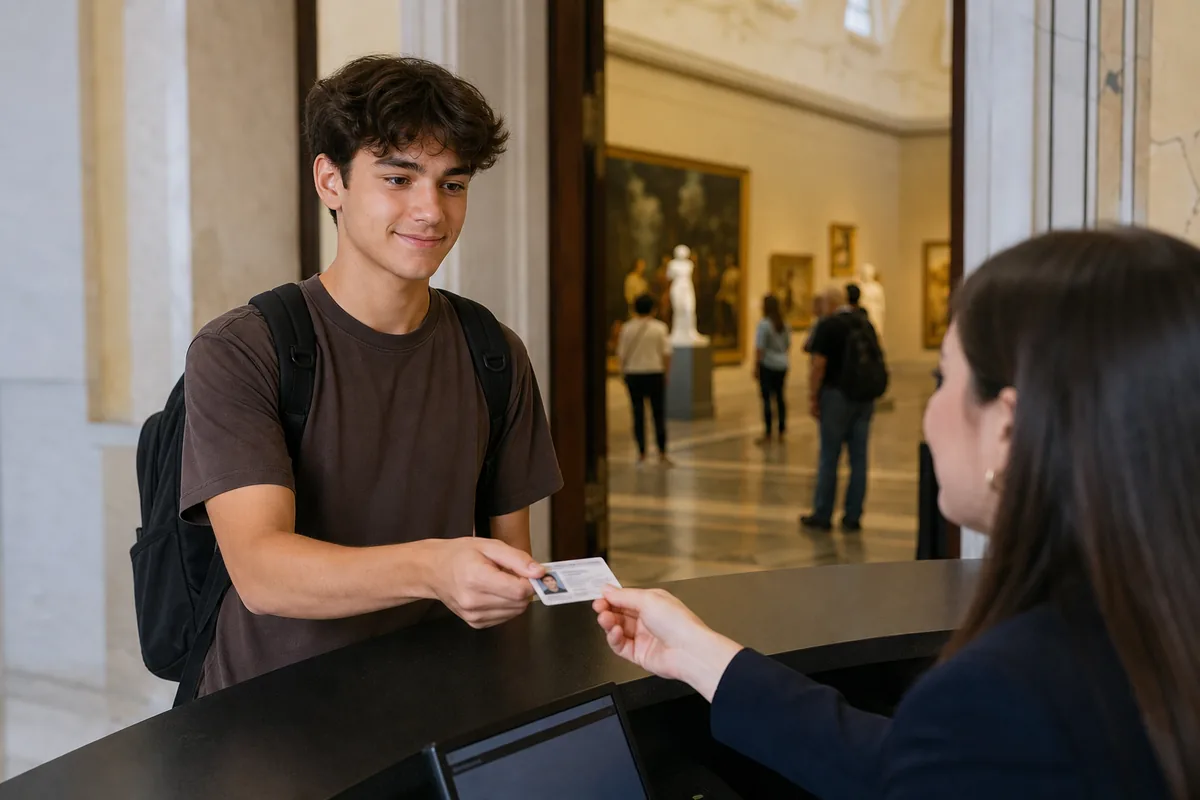
The Traveler’s Guide to Student and Educator Free Admission Programs
For students and educators, the world’s cultural institutions often hold their doors wide open, offering a key to discovery that doesn’t require a ticket purchase. Free admission programs at museums, galleries, and historic sites represent one of travel’s most valuable yet underutilized perks. This guide moves beyond simply listing “free days” to provide a strategic framework for identifying, planning, and maximizing these opportunities. Whether you’re a student on a semester abroad, a teacher on a research trip, or a family weaving education into a vacation, mastering this system transforms how you access and experience culture.
Build the Cluster
Your first step is strategic research. Don’t look for a single free ticket; look to build a city museum cluster of compatible institutions that offer admission programs. This approach shifts your planning from a one-off activity to designing a rich cultural itinerary.
- Identify the Players: Focus on major art museums, natural history museums, science centers, and public galleries. University-affiliated museums are almost always free and are exceptional hidden gems. National museums in many countries, like the UK or Spain, offer free general admission to all, with special exhibits sometimes carrying a fee.
- Decode the Programs: Terminology matters. Look for:
- Student Admission: Typically requires a valid, current student ID from any accredited institution. International student cards (ISIC) are widely accepted, but a university photo ID is often sufficient.
- Educator/Teacher Admission: May require a professional association card, a school ID, a pay stub, or a letter from your institution. Some programs extend to homeschool educators with proper documentation.
- General Free Hours/Days: These are open to all but are critical for your plan. A museum with free Sunday afternoons becomes a different kind of asset than one with free student admission every day.
- Leverage City Tourism Cards: Investigate city pass programs. While not free, they often provide steeply discounted or included admission to dozens of sites, effectively acting as a bulk purchase of “free” entry once the break-even point is met. Calculate if your planned cluster makes a pass worthwhile.
Sequence for Demand
Not all free access is created equal. A “free Tuesday” at a blockbuster museum will draw crowds, impacting your experience. Your goal is to sequence visits based on demand and your personal energy.
- Prime Targets (Use Free Programs Strategically): Schedule your must-see, perpetually popular museums (e.g., major modern art or encyclopedic museums) during their designated student/educator hours, which are often less crowded than public free days. If they are only free on a busy public day, go at opening or near closing.
- Secondary Targets (Fill the Gaps): Use always-free museums (like many national or university collections) for rainy afternoons or as flexible buffers in your schedule. They are perfect for shorter, focused visits.
- Tertiary Targets (Special Interest): Seek out smaller, niche institutions related to your studies or passions. Their free admission programs are often untapped and can provide a deeply personal connection.
This sequencing allows you to plan a museum day that balances headline attractions with intimate discoveries without succumbing to crowd fatigue.
Tools
Arm yourself with digital tools to make this system efficient and dynamic.
- Official Institutional Websites: The single source of truth. Always verify free admission policies, required documentation, and hours on the museum’s “Visit” or “Plan Your Visit” page.
- Aggregator Sites with Filters: Use sites like Google Arts & Culture or museum association websites for a city. Filter searches by “free admission” or “discounts.”
- Map Applications: Use Google Maps or Citymapper to pin your identified cluster. Visualizing geographic proximity is essential for efficient museum route planning and identifying walkable city museum clusters.
- Digital Document Storage: Keep photos or scans of your ID (student, educator, ISIC) in a secure cloud folder or phone wallet for easy access.
Why This Matters
This is more than saving money. It’s about fostering a mindset of accessible, lifelong learning and cultural fluency.
- Democratizes Exploration: It removes financial barriers, allowing the focus to be on curiosity rather than cost, encouraging repeated, deeper engagement with single institutions.
- Encourages Academic Connection: For students and educators, seeing textbook concepts manifest in a painting, a fossil, or a historical artifact creates an indelible link between theory and reality.
- Builds Cultural Confidence: Regular, low-stakes access to museums builds comfort and literacy, transforming them from formal temples of culture into familiar spaces for inspiration and reflection.
Playbook
Here is your actionable, step-by-step process for any destination.
- Weeks Before: Research and build your cluster list. Note each venue’s free admission policy, day, time, and documentation needed. Create a custom map.
- Before Booking Travel: Cross-reference your cluster with your travel dates. Ensure key sites aren’t closed for renovation or private events on your available days.
- One Week Before: Organize physical and digital IDs. Draft a flexible daily itinerary grouping nearby sites.
- On-Site: Start early. Present your ID with confidence at the ticket desk. If a policy seems unclear, politely ask, “Do you offer complimentary admission for students/educators?” Always check the coat/bag check policy.
User Scenarios
- The Study Abroad Student: In Florence for a semester. Uses free student admission at the state-run museums for weekly sketching sessions, avoiding the cost barrier. Uses a “free first Sunday” month to see a special exhibit at a normally ticketed site.
- The Family on Vacation: Parents (one a teacher) visit London. The teacher’s ID secures free entry at several participating museums. They target the always-free national museums for morning visits with the kids, saving their energy and budget for a paid, special-interest experience in the afternoon.
- The Graduate Researcher: In New York to study architectural history. Uses free admission at multiple museums to study specific collections over several days, making a single institution a “base” for repeated visits without financial penalty.
Common Mistakes
- Assuming Universality: Not all museums offer programs. Never assume; always verify.
- Insufficient Documentation: An expired ID or a lack of proof of educator status will result in denial. Bring multiple forms of proof.
- Poor Timing: Showing up at 3 PM on a free public day for a major museum often means long lines and crowded galleries, negating the benefit.
- Ignoring the “What’s Not Free”: Some “free admission” only applies to permanent collections. Be clear if there’s an extra charge for a special exhibition you want to see.
Accessibility & Comfort
Free admission should equate to dignified access. Consider these elements for a sustainable visit.
- Physical & Sensory Needs: Free admission policies apply to all. Check museum websites for accessibility features: wheelchair availability, sensory maps, quiet hours, or downloadable large-print guides.
- Pacing is Key: The ability to leave and re-enter (get a hand stamp) is invaluable. Use it to break up a long visit with a coffee or park break. This is a crucial tactic for effective museum hopping.
- Sustenance: Identify if the museum allows water bottles or has a cafeteria. Planning around meal times prevents “hangry” detractions from the experience.
Example Day: A Free Museum Itinerary
This walking museum route in a hypothetical city center demonstrates clustering and sequencing.
- 10:00 AM: Arrive at the Modern Art Museum (student/educator free daily). Present ID for entry. Focus on the permanent collection for two hours.
- 12:15 PM: Short walk to a public park or market for lunch.
- 1:30 PM: Walk to the City History Museum (free admission for all). Explore core exhibits for 90 minutes.
- 3:15 PM: Walk 10 minutes to the University Natural Science Gallery (always free). Enjoy a smaller, focused collection for 45-60 minutes.
- Late Afternoon: The schedule allows flexibility to revisit a favorite, find a café, or simply conclude the day. This free museum itinerary provided variety, managed costs, and minimized transit time.
Advanced Tips
- Leverage Membership Reciprocity: Membership in your local museum association (e.g., NARM, ROAM) may grant you free or discounted entry to hundreds of participating institutions worldwide.
- Go Beyond Museums: Apply this logic to free cultural attractions: public sculpture gardens, architectural landmarks, historic libraries, and government buildings (like capitols or city halls).
- The “Just Pop In” Visit: With free admission, you can visit a museum for a single, 30-minute purpose—to see one famous painting, to use the stunning reading room, or to enjoy the building’s architecture. This liberates you from the pressure to “see it all.”
FAQ
Q: Is an International Student Identity Card (ISIC) necessary? A: It is highly recommended as a globally recognized standard, but many museums accept valid, current student IDs from your home institution. The ISIC provides a useful backup and additional travel discounts.
Q: Do these programs apply to graduate students and part-time educators? A: Typically, yes. “Student” usually encompasses full-time and part-time at an accredited college or university. “Educator” often includes K-12 teachers, professors, and sometimes librarians or homeschool teachers. Check specific policies.
Q: Can I use free admission for special/ticketed exhibitions? A: Usually not. Free admission most commonly applies to the permanent collection. Special exhibitions often require a separate, discounted ticket for eligible visitors.
Q: What if I’m between schools or my educator status is informal? A: Your options are more limited. Focus on institutions with general free hours/days, always-free public collections, and university museums.
Further Reading
- International Student Identity Card (ISIC): The global benchmark for student verification and travel benefits.
- North American Reciprocal Museum (NARM) Association: A network of over 1,200 institutions offering reciprocity to members of participating museums.
- Google Arts & Culture “Free Museums” Explorer: A useful starting point for discovering collections and filtering by location.
- Local Tourism Board “Culture” Pages: Often have the most current aggregated list of free and discounted attractions for educators and students.