

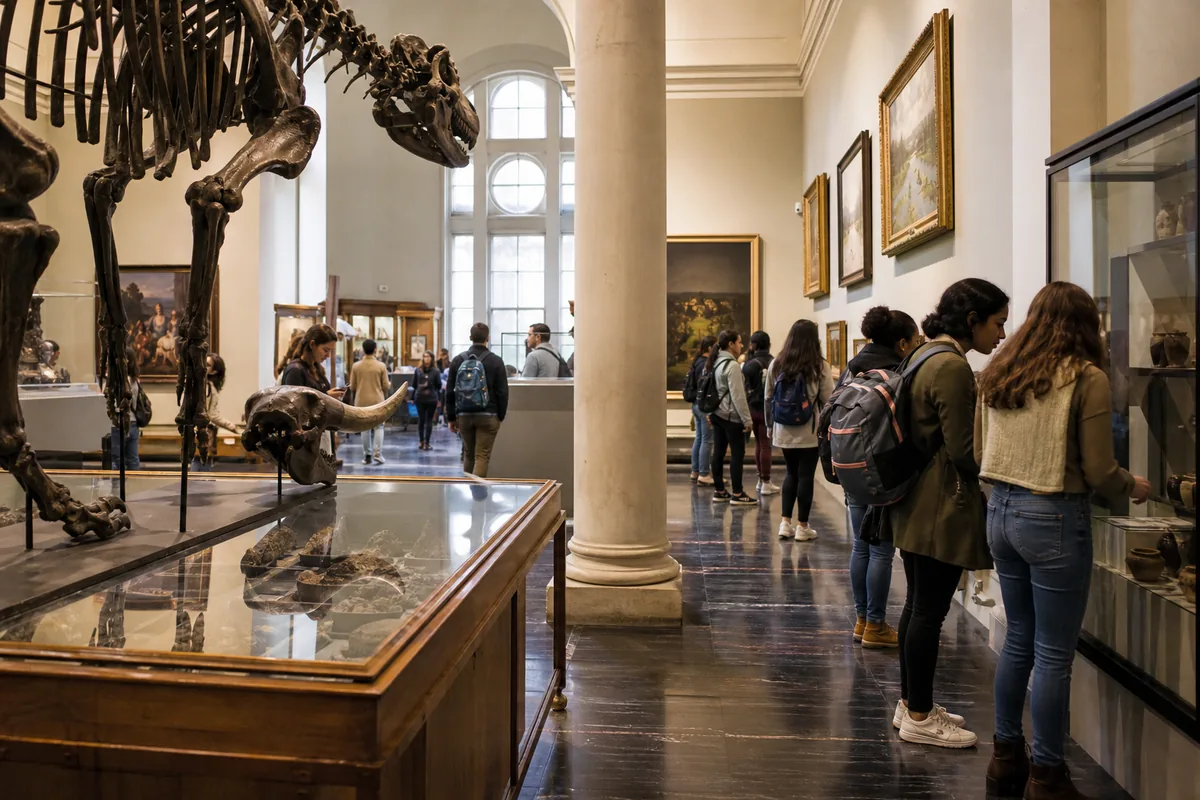
University Museums That Are Free
University museums are a traveler’s open secret. Often overshadowed by their larger, ticketed counterparts, these institutions offer profound cultural, artistic, and scientific collections without an admission fee. For travelers, students, and families, they represent not just a budget-friendly activity, but a unique portal into specialized knowledge, cutting-edge research, and often, a more intimate and thoughtful museum experience. This guide will show you how to find, plan for, and fully enjoy these exceptional cultural resources.
Build the Cluster
Your first step is to move beyond the idea of visiting a single museum. The real power lies in identifying a city museum cluster. Major university towns and cities often have multiple free museums within walking distance of each other, affiliated with different departments or schools. A single campus might host an art museum, a natural history collection, and an archaeological archive.
Think of it as creating your own free museum itinerary by linking these points of interest. For instance, a university’s main quadrangle could be surrounded by three distinct museums. By mapping them, you transform a single visit into a curated journey—from ancient artifacts in one building to contemporary art in the next, and finally to a geology hall showcasing local fossils. This cluster approach maximizes your cultural immersion while minimizing transit time and cost.
Sequence for Demand
Not all museums are created equal in terms of popularity or capacity. To avoid crowds and fatigue, sequence your visits strategically. A key principle of museum route planning is to prioritize the venue with the most niche or demanding exhibits first. Start with the collection that requires the most focus—perhaps a gallery of intricate scientific instruments or a quiet archive of manuscripts. You’ll appreciate these more with a fresh mind.
Save larger, potentially more crowded spaces (like a popular dinosaur hall or a well-known painting gallery) for mid-visit, and end with something more relaxed or interactive. This “demand-first” sequencing ensures you engage deeply with complex material before museum fatigue sets in and allows you to finish your day on a high note.
Tools
Effective planning relies on simple, reliable tools. You don’t need specialized apps; the basics, used well, are most effective.
- University Websites & Cultural Pages: The primary source. Navigate to the university’s main site and look for sections titled “Museums & Galleries,” “Campus Attractions,” or “Visiting.”
- Dedicated Mapping App: Use Google Maps or Apple Maps to pin all potential locations. This visual layout is crucial for identifying walkable city museum clusters and planning your route.
- Digital Calendar for Hours: University museums often have unique schedules, closing for academic breaks, holidays, or during exam periods. Note the hours in your calendar to avoid disappointment.
- Local Tourism Site (Secondary Check): City tourism boards sometimes list university museums among free cultural attractions, offering a useful secondary confirmation and context.
Why This Matters
Choosing university museums isn’t just about saving money. It’s about accessing a different caliber of curation. These museums are typically extensions of academic departments, meaning exhibits are driven by research and education rather than pure spectacle. You see objects chosen for their pedagogical value, accompanied by labels that often delve deeper into context and methodology.
For families, this is an unparalleled educational opportunity. For students and lifelong learners, it’s a chance to engage with primary sources and specialized scholarship. For all travelers, it offers an authentic glimpse into the intellectual heart of a city, far from the well-trodden tourist paths. You support the mission of public knowledge dissemination simply by being a curious visitor.
Playbook
Follow this step-by-step method to execute a successful visit.
- Research & Cluster: Using the tools above, identify 2-4 free university museums in your target area. Map them.
- Verify & Note: Confirm open days/hours for your planned visit date. Note any special temporary exhibits.
- Sequence Logically: Apply the “demand” principle to order your visits. Plot the walking path between them.
- Prepare Contextually: Spend 15 minutes reading about one collection that intrigues you most. This primes your mind for deeper observation.
- Visit & Engage: Arrive, explore, and don’t rush. Use available guides, audio tours, or simply let curiosity lead.
- Refuel & Reflect: Plan a break at a campus café or nearby park between museums to process what you’ve seen.
User Scenarios
- The Solo Traveler: You have an afternoon free. You target two museums: a university’s museum of anthropology followed by its contemporary photography gallery. The quiet, contemplative pace allows for deep focus, and you leave with new perspectives.
- The Student Group: Looking for an enriching break from studies, a group plans a museum hopping afternoon across campus. They compare notes on different artistic movements between the art and architecture museums, turning it into an informal seminar.
- The Family with Kids: A family chooses a university natural science museum with hands-on discovery rooms and a planetarium with free shows. The focused, educational environment is engaging without being overwhelming, and the free admission makes the trip stress-free.
Common Mistakes
- Assuming “Always Open”: Not checking for academic closures is the most common error. Universities often close museums during intersessions, on major holidays, or for private events.
- Overloading the Day: Trying to visit more than three substantive museums in one day leads to fatigue and poor retention. Quality over quantity.
- Ignoring the Campus: Rushing from the museum door back to the subway means missing the architectural and social atmosphere of the campus itself, which is part of the experience.
- Skipping Small Collections: Overlooking the “small” gallery in the history department or the geology building. These hyper-specialized spots often hold the most surprising and memorable items.
Accessibility & Comfort
University museums, being part of modern campuses, are generally accessible, but it’s wise to plan.
- Physical Access: Most have step-free entries, elevators, and accessible restrooms. Check online or call ahead if you have specific mobility concerns.
- Sensory Considerations: These venues can be quieter than major public museums, which is often a benefit. For those sensitive to light or sound, specialized exhibits (e.g., dark planetariums, video installations) are usually well-signed in advance.
- Comfort: Wear comfortable shoes for campus walking. Campus bookstores or cafeterias are perfect for rest stops, water, and affordable snacks. Remember, you’re in a working institution—be mindful of students studying in adjacent spaces.
Example Day
Here’s how a well-planned free museum itinerary might unfold in a hypothetical university city:
- 10:00 AM: Start at the University Archaeological Museum. It’s detail-rich and quiet in the morning. Spend 75 minutes examining regional artifacts.
- 11:30 AM: Walk 10 minutes across the historic campus green to the Gallery of Modern Art & Design. The shift in era and medium is refreshing. Spend 60 minutes here.
- 12:45 PM: Lunch break at the student union building’s food hall—affordable and lively.
- 2:00 PM: A short walking museum route leads to the final stop: the Natural History Hall. Focus on the local ecology dioramas and mineral collection for 60 minutes.
- 3:15 PM: Conclude your visit at the campus coffee shop with a map, noting what you saw. You’ve experienced three distinct disciplines, spent nothing on admission, and gained a true sense of the university’s academic landscape.
Advanced Tips
- Seek Out Temporary Exhibits: Often the most current and provocative work is in rotating galleries, frequently curated by faculty or graduate students.
- Leverage University Events: Check listings for free public lectures, gallery talks, or opening receptions tied to the museums. These can dramatically enrich your visit.
- Engage with Staff: Docents and front-desk staff are often students or experts passionate about the collection. A simple question like, “What’s your favorite object here?” can unlock fascinating insights.
- Document for Later: Jot down artist names, scientific terms, or book titles referenced. Your post-trip research will deepen the learning.
FAQ
Are university museums really free for everyone? Virtually always, yes. Their core mission is public education. Donations may be suggested but are rarely required.
Are they good for children? Many are excellent, featuring interactive science exhibits, discovery zones, and family-focused programming. Always check online for family guides or activity sheets.
How do I find these museums if I don’t know the local university’s name? A simple web search for “[City Name] university museums free” or browsing the “Museums” category on a city’s Wikipedia page will usually reveal them.
Is it okay to visit during the academic year? Absolutely. It’s often the best time, as museums are fully operational and you can feel the campus energy. Just be mindful of mid-term and final exam weeks, when hours may be reduced.
Further Reading
To expand your understanding and planning skills, consider these resources:
- The Association of Academic Museums and Galleries (AAMG) website for insights into the field and occasional directories.
- Local City “Culture on a Budget” Blogs often feature posts on overlooked free attractions, including university collections.
- The Book The Museum Experience by John H. Falk and Lynn D. Dierking for a deeper dive into how we learn and engage in museum settings.