

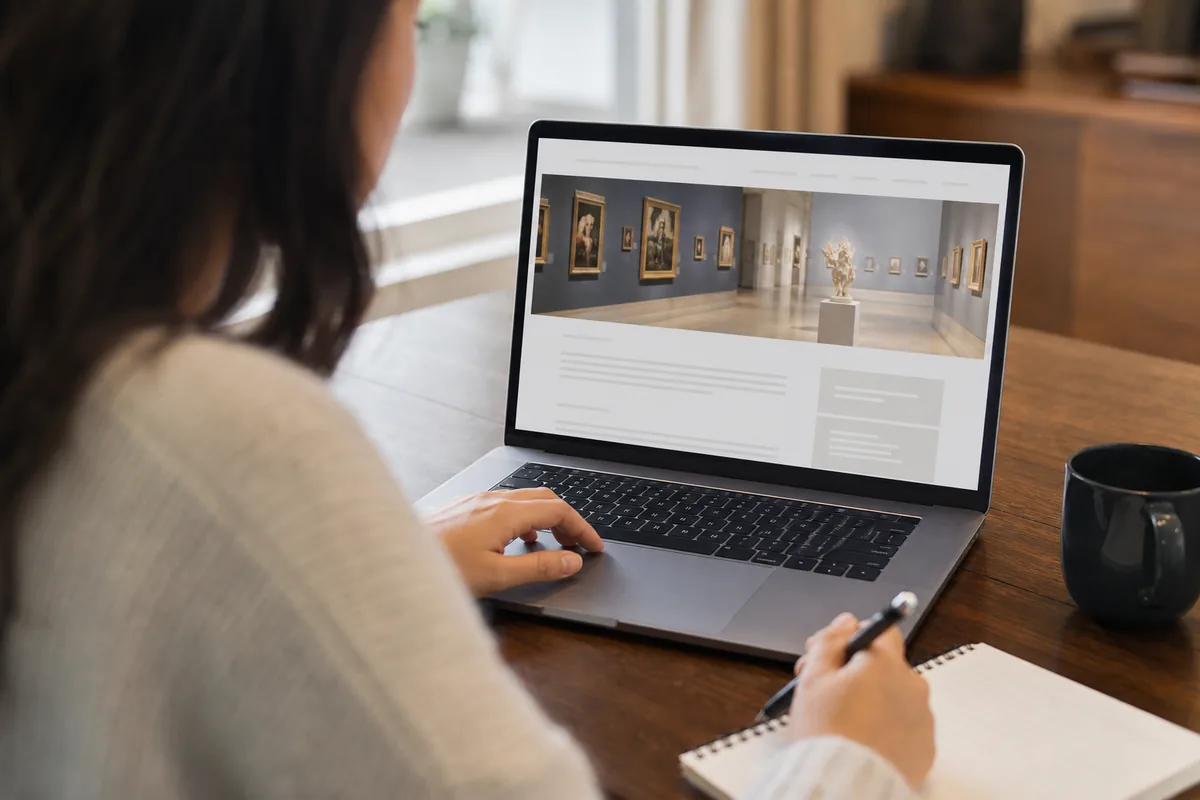
Verifying Free Admission Policies
For travelers, students, and families, the promise of “free admission” can be the key to an affordable and culturally rich trip. However, this promise can be elusive, buried under conditions, fine print, or outdated information. A vague plan to visit free museums can quickly lead to disappointment, wasted time, and unnecessary expense. This guide provides a systematic, reliable method for verifying free entry policies, transforming good intentions into seamless, enriching experiences. It’s not about finding every free thing to do; it’s about building a confident, flexible plan around the opportunities that truly exist.
Build the Cluster
Your first step is not to find a free museum, but to identify a city museum cluster—a group of cultural attractions within a walkable or short-transit radius. This strategic approach turns a single visit into a viable free museum itinerary foundation.
Start with broad research. Use a city’s official tourism website, which often has a filtered “Free Attractions” section. Look for neighborhoods known for their cultural density, like historic districts, university quarters, or government precincts. Your goal is to map 5-10 potential venues (museums, galleries, historic houses, cultural centers) in one or two adjacent areas. This creates optionality; if one venue is unexpectedly closed or overcrowded, you have alternatives steps away.
Critically, at this stage, you are only gathering names and locations. Do not yet trust the “free” label on these aggregator sites. You are building a target list for the essential verification process to come. This cluster is your raw material.
Sequence for Demand
Not all free admission is created equal. Policies typically fall into a hierarchy of demand and restriction. Understanding this sequence helps you prioritize verification efforts and manage expectations.
- Always Free: The gold standard. These public institutions (e.g., many national museums, public galleries, university collections) have permanent free admission funded by taxes or endowments. They are your plan’s anchors.
- Free Hours/Days: The most common model. A museum charges a standard fee but offers a weekly or monthly free-access period (e.g., “every Tuesday evening” or “first Sunday of the month”). These slots are high-demand.
- Conditional Free: Admission is waived for specific groups (students with ID, local residents, children under a certain age, military). Verification here requires confirming what proof is required.
- “Pay-What-You-Wish” or Suggested Donation: You are legally allowed to enter without paying, though a specific donation amount is suggested. Knowing this ahead of time prevents social anxiety at the door.
- Special Program Free: Free entry through a library pass, bank card perk, or city tourist card. This requires pre-qualification and often advance reservation.
Categorize each venue in your cluster into one of these types during your verification. This will directly inform your museum route planning.
Tools
Rely on a tiered system of sources, moving from least to most authoritative. Never rely on a single website.
- Official Venue Website: The single source of truth. Navigate to the “Plan Your Visit,” “Hours & Admission,” or “Tickets” section. Look for the full policy, not just a banner. PDFs of visitor guides are often the most detailed.
- Official Social Media Accounts: Check for pinned posts or recent announcements regarding holiday hours, unexpected closures, or changes to free programs.
- City Tourism Authority Site: More reliable than third-party aggregators for initial filtering and official city pass programs.
- Google Maps & Business Listings: Useful for hours and a link to the official site, but the “Price” indicator is often wrong for museums. User reviews sometimes mention free days or hidden fees.
- Trusted Travel Forums: Platforms like TripAdvisor forums or Reddit’s travel subreddits. Search for “[Museum Name] free admission 2024” to find recent traveler confirmations or warnings.
Avoid as primary sources: unmaintained blogs, listicles older than one year, and general AI-generated travel content, as policies change frequently.
Why This Matters
Thorough verification is more than saving money. It’s about agency and respect.
- Budget Integrity: It locks in your daily spending, preventing surprise costs that derail your financial plan.
- Time Optimization: Knowing precise free hours prevents showing up on a full-price day or during a block-out period for special exhibitions.
- Reduced Stress: Eliminates the “will we get in?” anxiety at the door, especially important with tired children or group dynamics.
- Cultural Access: It democratizes travel. Students, families, and budget travelers can access a city’s cultural heritage without barrier.
- Respectful Engagement: Showing up informed about policy (e.g., knowing a “suggested donation” is optional) allows for a more comfortable and respectful interaction with staff.
Playbook
Follow this actionable, step-by-step process after building your initial cluster.
- Create a Verification Grid: Make a simple table. Columns: Venue Name, Official Free Policy, Verified Source Link, Notes (e.g., “Requires online ticket even if free,” “Student ID mandatory”).
- Primary Source Check: For each venue, open its official website. Find the admission page. Read the entire policy. Copy the exact wording and URL into your grid.
- Clarify Conditions: Note if free entry requires: a) Online reservation, b) On-site ticket from counter, c) Specific ID, d) Arrival by a certain time.
- Check for Calendar Conflicts: Cross-reference free days/hours with your travel dates. A “first Sunday” policy is useless if you’re there on the second Sunday.
- Confirm with a Recent Secondary Source: Quickly scan the venue’s Twitter/X or Facebook for any “Closed for maintenance” or “Free hour suspended” posts from the last month. Check one recent forum post.
- Finalize Cluster: Remove venues with policies that don’t align with your dates or group. Your verified cluster is now your actionable list.
User Scenarios
- The Family: For a “Family Free Day” at a science museum, verification might reveal the need for online registration weeks in advance and that the planetarium show still costs extra. This allows for a managed set of expectations.
- The Student: A student verifying “free with ID” for a modern art gallery learns from the official site that only university-level IDs are accepted, not high school. This prevents a frustrating trip.
- The Time-Pressed Business Traveler: Finding a museum with “Free Thursday evenings 5-8 PM” allows them to build a cultural visit into a work trip. Verification confirms if last entry is at 7:30 PM, optimizing their short window.
Common Mistakes
- Assuming “Free” Means Unrestricted: The biggest error. Free hours often come with capacity limits. The policy is “free until we are full.”
- Trusting Outdated Information: A blog post from 2019 praising the “always free” policy is likely obsolete. Policies change with funding.
- Overlooking Reservation Requirements: Many venues, especially post-pandemic, require a timed, $0 ticket booked online to manage crowds, even for free admission.
- Ignoring “Special Exhibition” Surcharges: The permanent collection may be free, but a featured exhibit likely requires a separate ticket. Verify what “free admission” actually includes.
- Not Reading the Fine Print on City Passes: A tourist card may offer “free entry,” but only after you’ve paid a significant upfront fee. Calculate if your cluster justifies the cost.
Accessibility & Comfort
Verifying policies extends beyond cost to include physical and sensory access.
- Companion Tickets: Many venues that charge admission offer a free or discounted ticket for a necessary companion of a visitor with a disability. This is often detailed on an “Accessibility” page, not the main admission page.
- Sensory Hours: Some museums offer early opening or specific times with reduced crowds and lighting for neurodiverse visitors.
- Facility Details: Your verification sweep should include checking for elevator access, wheelchair availability, and quiet room locations to ensure the visit is comfortable for all in your group.
Example Day: A Verified Free Museum Itinerary
- Cluster: Downtown Arts District.
- 9:30 AM: Visit the Always Free Public Sculpture Garden & City History Museum (no ticket needed, opens at 9).
- 11:30 AM: Short walk to the Contemporary Art Center (Suggested Donation). You know from verification that the $10 donation is optional. You contribute $5.
- 1:00 PM: Lunch in the district park (picnic prepared).
- 2:00 PM: Free Museum Hopping via a walking museum route to two nearby university galleries (verified as always free with rotating exhibits).
- 4:00 PM: Optional finale at the National Portrait Gallery (verified “Free after 4 PM daily” policy, last entry 5:30). You enter at 4:15.
This day leverages verified policies for structure and spontaneity, with minimal cost.
Advanced Tips
- Leverage Library Systems: Many local public libraries in North America and Europe offer “museum passes” cardholders can reserve for free or steeply discounted entry. This requires planning weeks or months ahead.
- Bank & Membership Perks: Certain credit cards or professional/student union memberships offer free affiliate membership to museum networks. Check your benefits portal.
- Off-Season & Shoulder Season Travel: Some venues that charge in peak season shift to free or donation-based entry in quieter months to attract visitors.
- Virtual Verification “Call”: For a highly important venue with ambiguous online info, a brief phone call during their business hours can provide instant, authoritative clarity.
FAQ
Q: Is a “suggested donation” really free? A: Yes, legally and ethically. You may pay any amount, including zero, to gain entry. It is polite to acknowledge the policy, and even a small contribution supports the institution.
Q: How far in advance should I verify? A: Start 2-3 weeks before your trip. Policies are unlikely to change last-minute, but popular free time slots may require reservations that book up.
Q: What if the official website is not in English? A: Use your browser’s translate function. Key terms to translate: “Admission” (Entrada, Entrée, Ingresso), “Hours” (Horario, Orario, Öffnungszeiten), “Free” (Gratis, Gratuite, Libre).
Q: Are “free” museums more crowded? A: Often, yes, especially during free hours. The trade-off for cost savings is potential crowds. Plan to arrive early at opening for the best experience.
Further Reading
- Atlas Obscura: For discovering unique and offbeat free cultural attractions worldwide.
- Google Arts & Culture Website & App: For virtual tours and detailed information on partner museum collections.
- Local Subreddits (e.g., r/VisitingParis): For asking specific, timely questions about current conditions and policies.
- The Cultured Grid: A blog focused on strategic cultural itineraries and how to plan a museum day efficiently.